Visual Inspection
Quality is built into every component. Make it visible.
Visual Inspection helps manufacturers identify defects, verify component configurations and build traceable quality records across critical production stages.

Make every component check more consistent, connected and traceable.
Visual Inspection inspects components for visible defects, verifies features and configurations, and connects every result to its process context, so quality teams can trace issues to their source.
AI-assisted visual inspection
Detects visible defects, damage and contamination on components and assemblies, consistently across shifts.
Feature and configuration checks
Verifies that the right part, orientation, fastener or connector is in place before the next step begins.
Component-level traceability
Links each inspection result to the batch, station and time it relates to.
Trend and drift analysis
Surfaces gradual shifts in component quality before they become non-conformances.
Supplier quality insight
Shows how incoming component quality varies by supplier and lot.
Inspection records on demand
Builds the documentation auditors and customers expect, without manual transcription.
What Visual Inspection checks on every component.
Detection
Finds visible defects, damage and contamination on each component.
Classification
Classifies each component by image and part number, whatever its shape, size or complexity.
Count
Counts components under the live camera and maps the count against the BOM.
Thresholds
Applies the pass and fail limits you define for each defect class.
Location
Shows exactly where on the component each finding sits.
Measurement
Measures features and checks them against the defined specification.
Barcode
Reads the code or marking on the part and links the result to its batch.
Depth
Assesses height and depth, not only the flat image.
360 quality check
Checks the component from every side, not from a single view.
Put component quality checks where they matter most.
Use Visual Inspection at the points where component condition, configuration and inspection history influence the quality of the next process step.
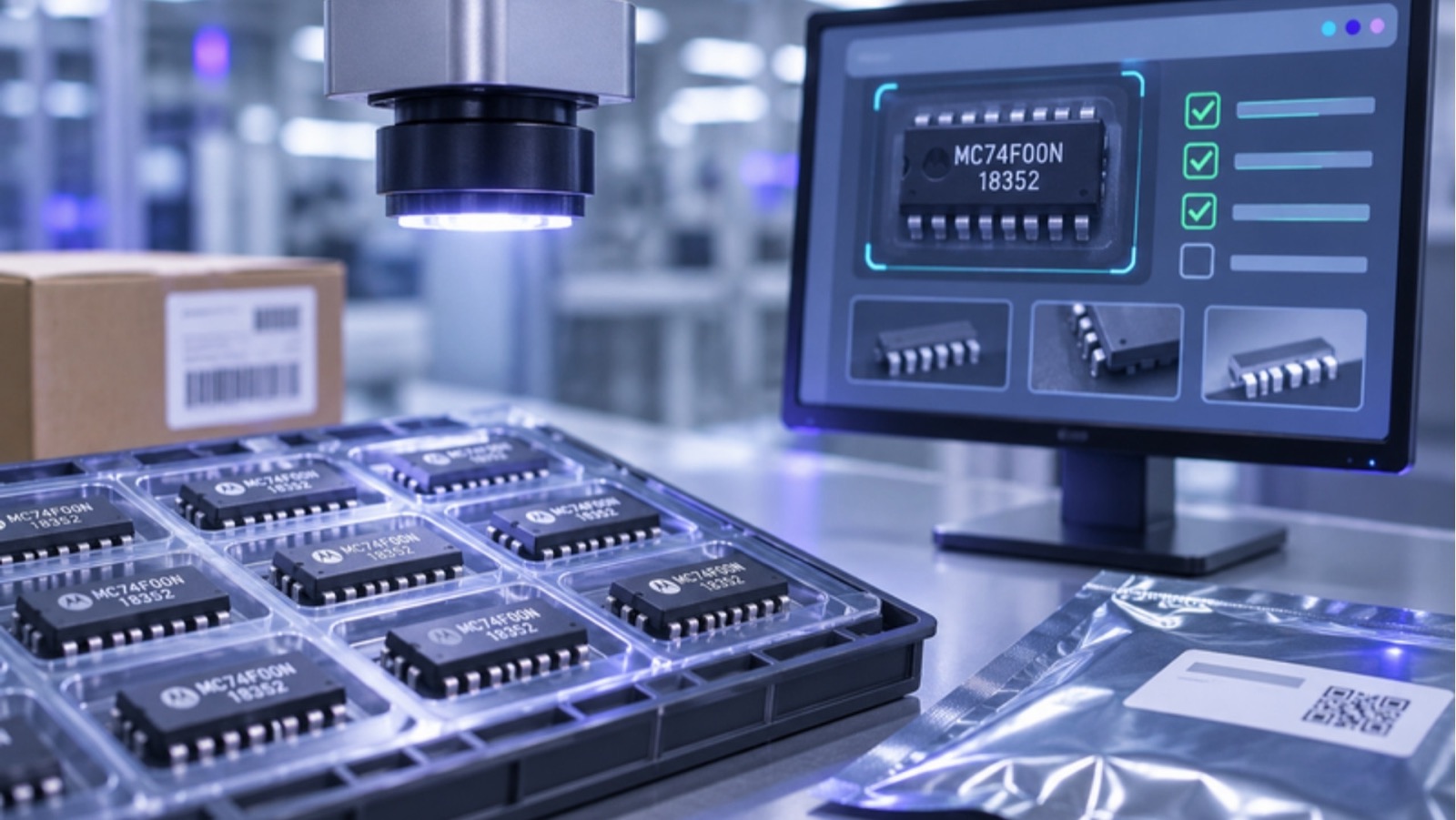
Incoming components
Understand quality at receipt.
Inspect incoming parts for visible defects, damage and contamination, and build a record linked to supplier and lot.
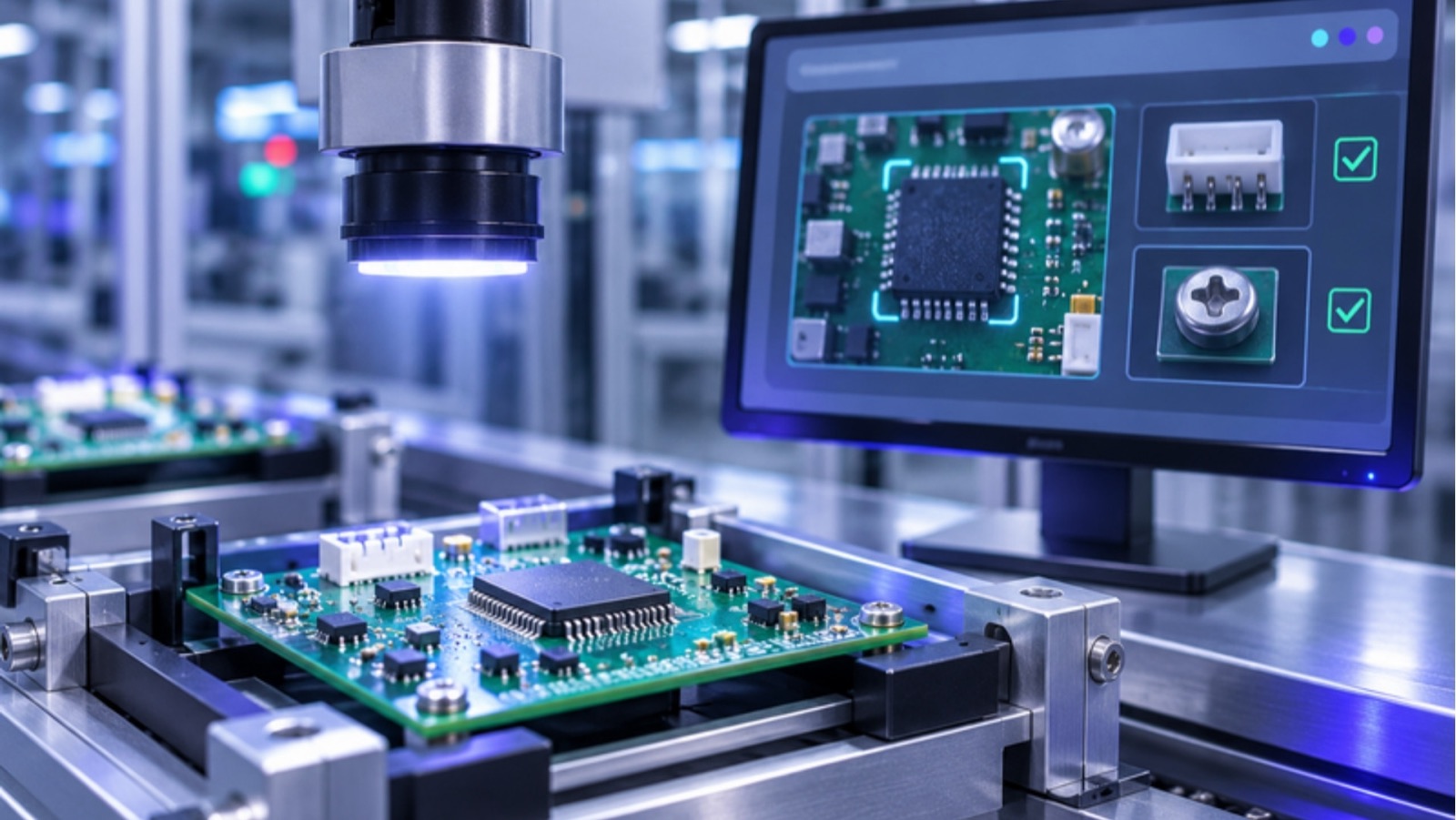
Assembly stations
Verify the right part is in the right place.
Check required features and configurations, including part identity, orientation, fasteners and connectors, before the next step.
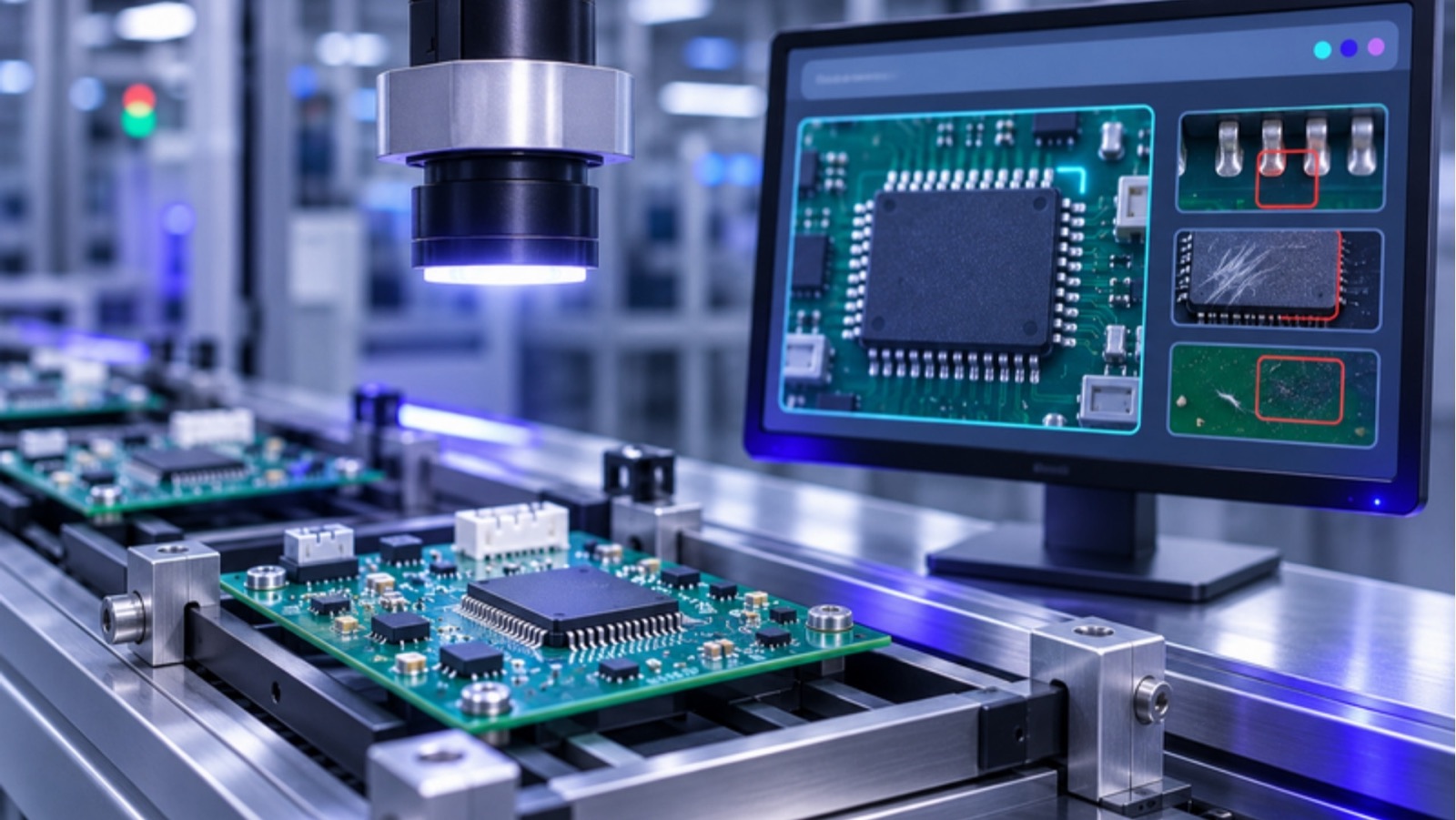
In-process quality
Catch visible issues closer to the source.
Inspect components and assemblies during production so visible defects can be flagged at the station rather than discovered later.
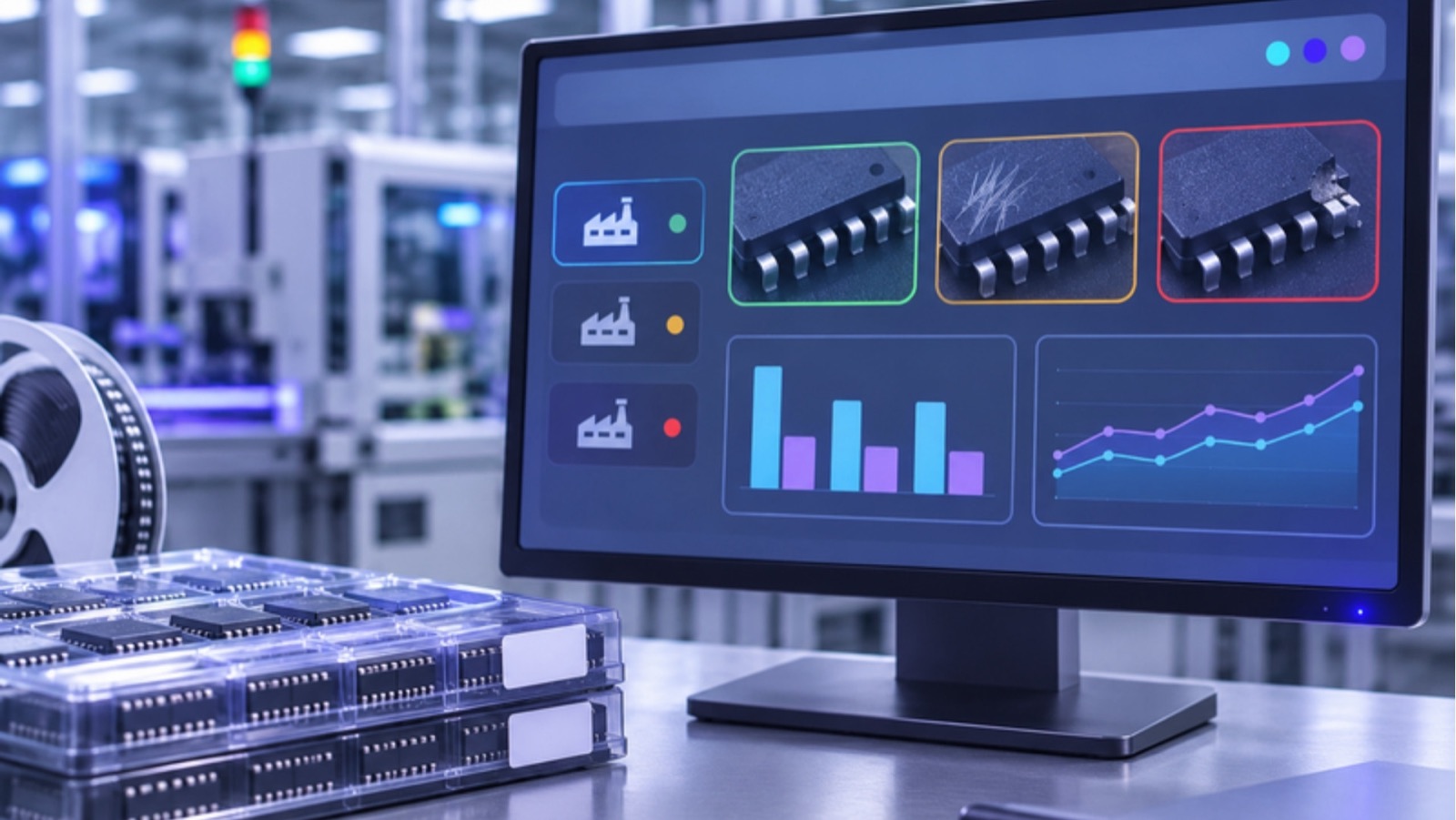
Supplier quality
Turn supplier quality into evidence.
Compare incoming component quality by supplier and lot, giving teams objective information for supplier quality discussions.
Quality records & traceability
Know what was checked, where and when.
Connect inspection outcomes to the relevant batch, station and time, and make records available for customer or audit requirements.
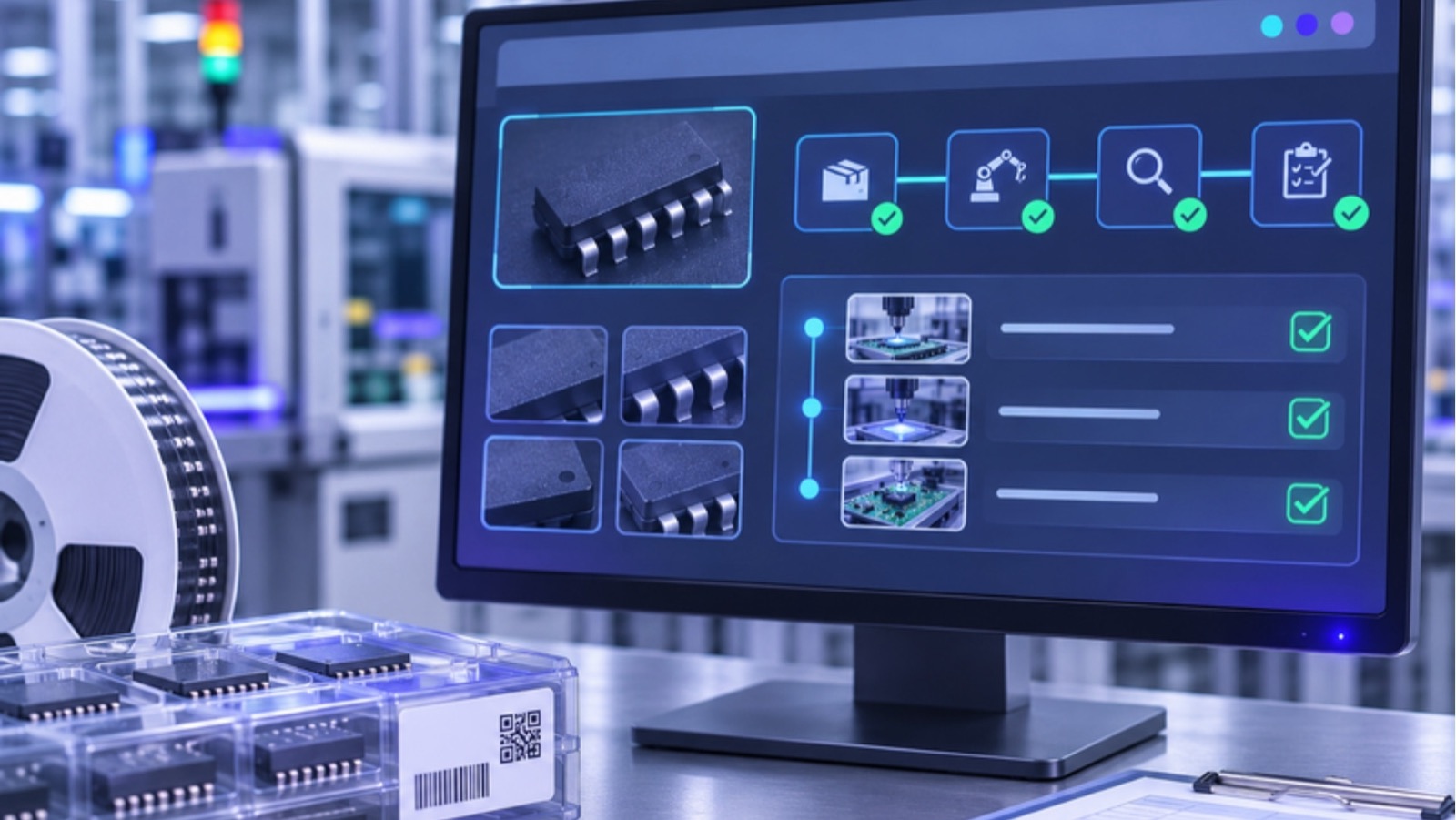
Better component insight.
Better quality decisions.
Quality & Consistency
Reduce defects, rework and material loss.
Identify visible defects earlier and apply consistent inspection criteria across components, production stages and shifts, helping prevent non-conforming parts from moving downstream.
Traceability & Supplier Quality
Build a complete, evidence-based quality history.
Link inspection results to the relevant component, batch, station, supplier and time. Use objective records to identify quality trends, spot supplier-level issues and make better-informed decisions.
Visibility & Documentation
Spot quality drift sooner. Simplify inspection records.
Surface gradual changes in component quality and make inspection documentation readily available, reducing manual transcription and helping teams respond before issues escalate.
How it works
Visual Inspection brings together component-level checks, contextual records and quality insight in one connected workflow.
Define what good looks like
Specify the features, configurations and defect classes that matter for each component.
Capture at the station
Images and readings are captured where components are received, assembled or inspected.
Analyze in context
AI models assess each component and relate the result to its process history.
Act and trace
Non-conforming parts are flagged immediately, with the trail needed to contain and correct the cause.
Integrations across the stack
Integration of data across every connected application, so all data points match the visual record.
- Existing camera infrastructure
- Inventory management
- Vendor communication
- Vendor performance
- BOM and ERP integrations
- Vendor invoice
What if your next quality win starts with one camera?
Start with one critical process. We'll show you how Dheera can guide frontline teams, identify meaningful deviations and support corrective action, demonstrating the value it can bring to your operations.
- A walkthrough built around one of your critical processes
- How Dheera fits your cameras, workflows and systems
- A clear view of the potential value for your operation